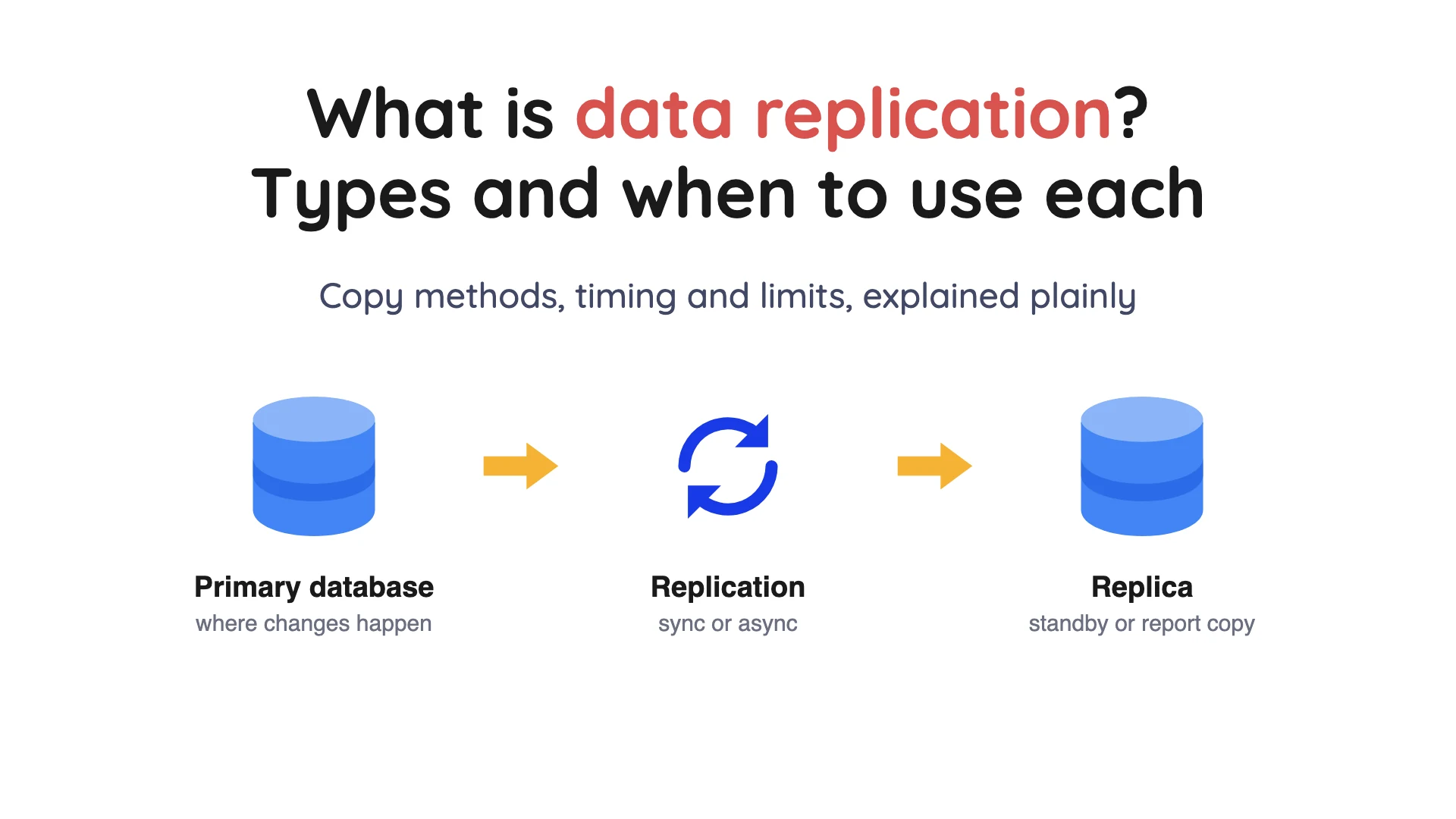
What Is Data Replication? Types and When to Use Each
Data replication explained in plain English: sync vs async, snapshot vs log-based copying, one-way vs two-way, with a pick-by-job table and dated limits.
Plain-language explainers from the OLake team on data pipelines, change data capture, Apache Iceberg and the data lakehouse.
Data replication explained in plain English: sync vs async, snapshot vs log-based copying, one-way vs two-way, with a pick-by-job table and dated limits.
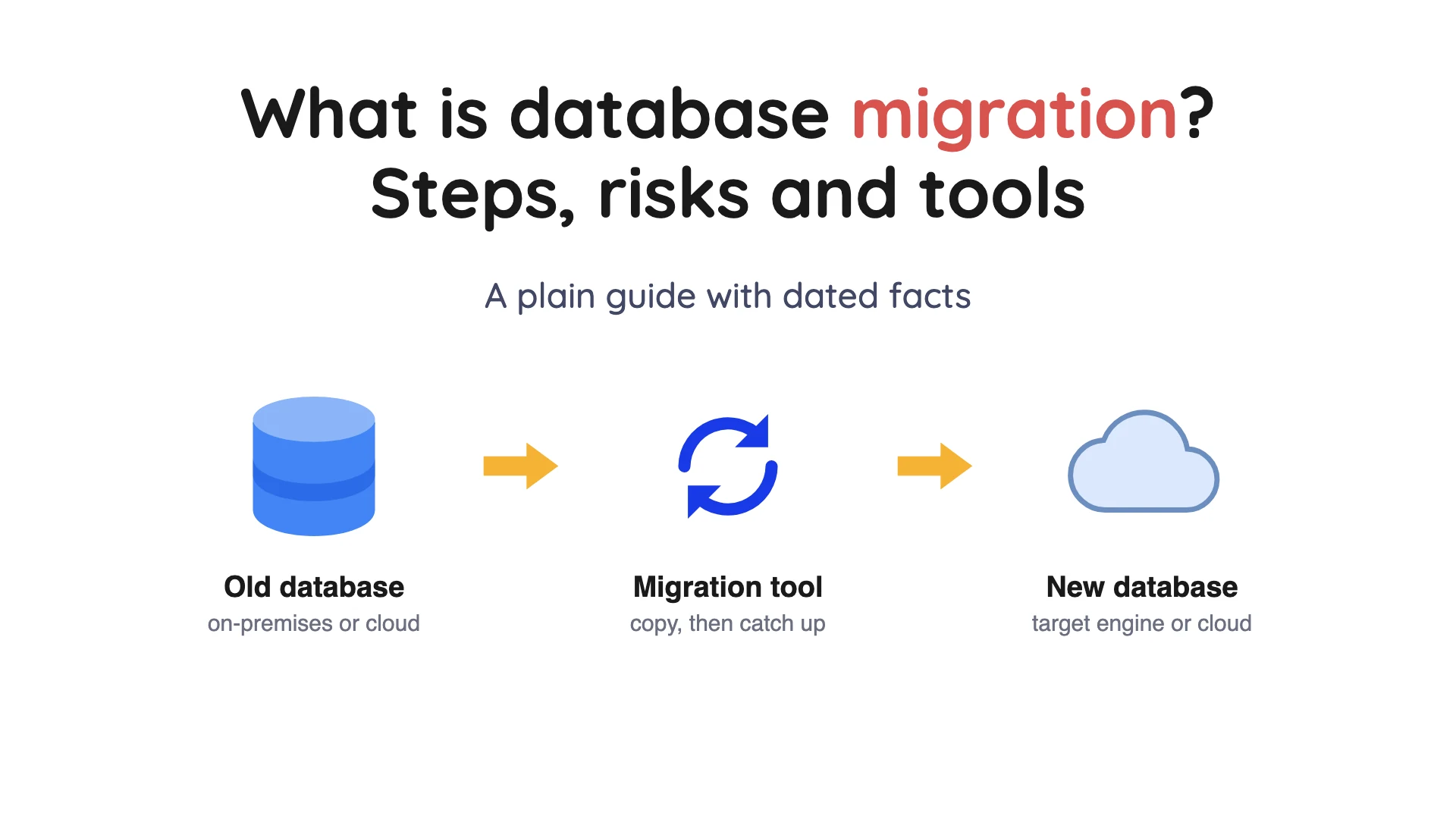
Database migration moves data, structure and apps from one database to another. See the steps, the risks and which tools fit, with dated facts.
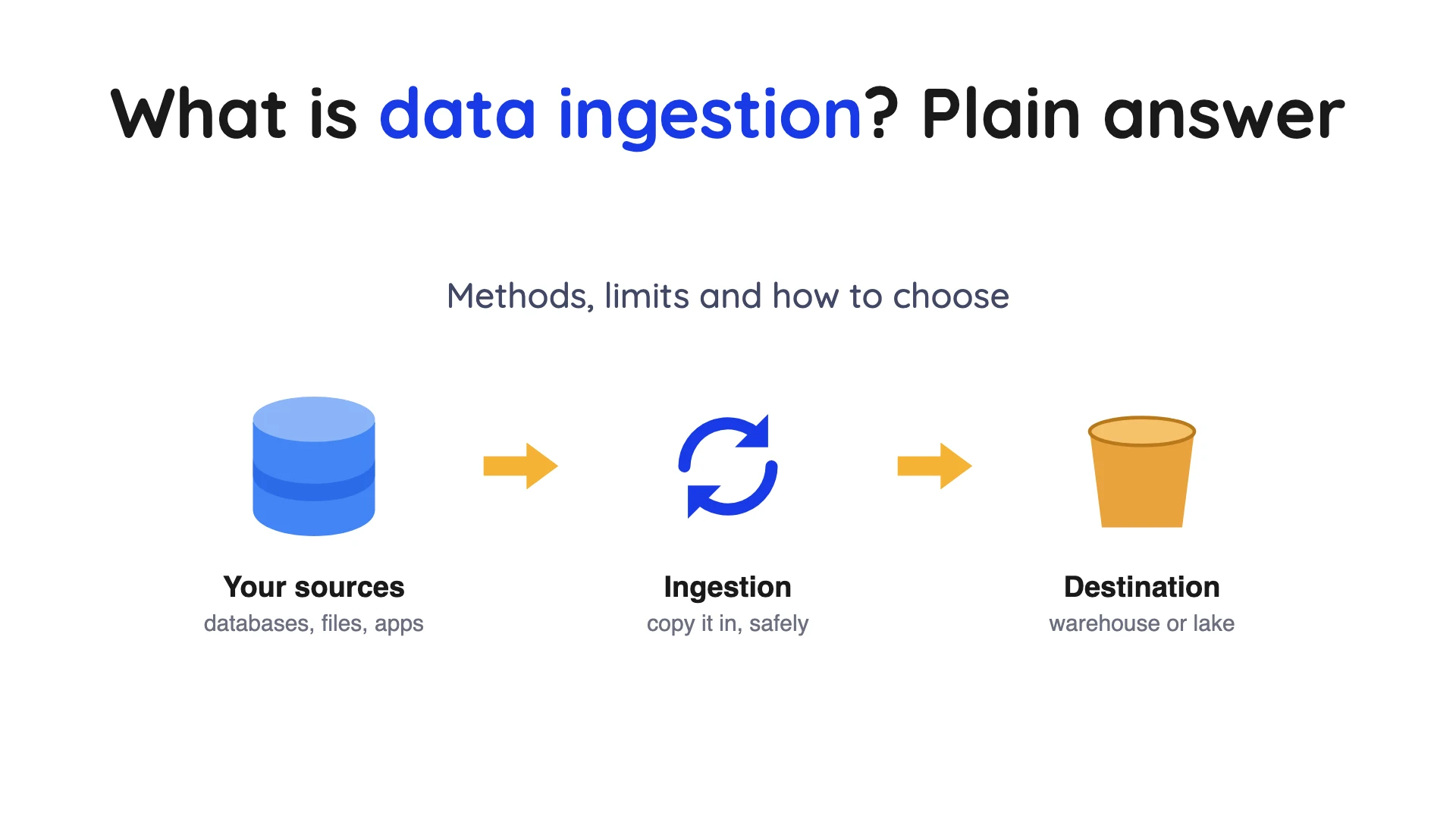
Data ingestion means copying data from its sources into a warehouse or lake. Five methods compared, each with a named limit, plus a worked example.
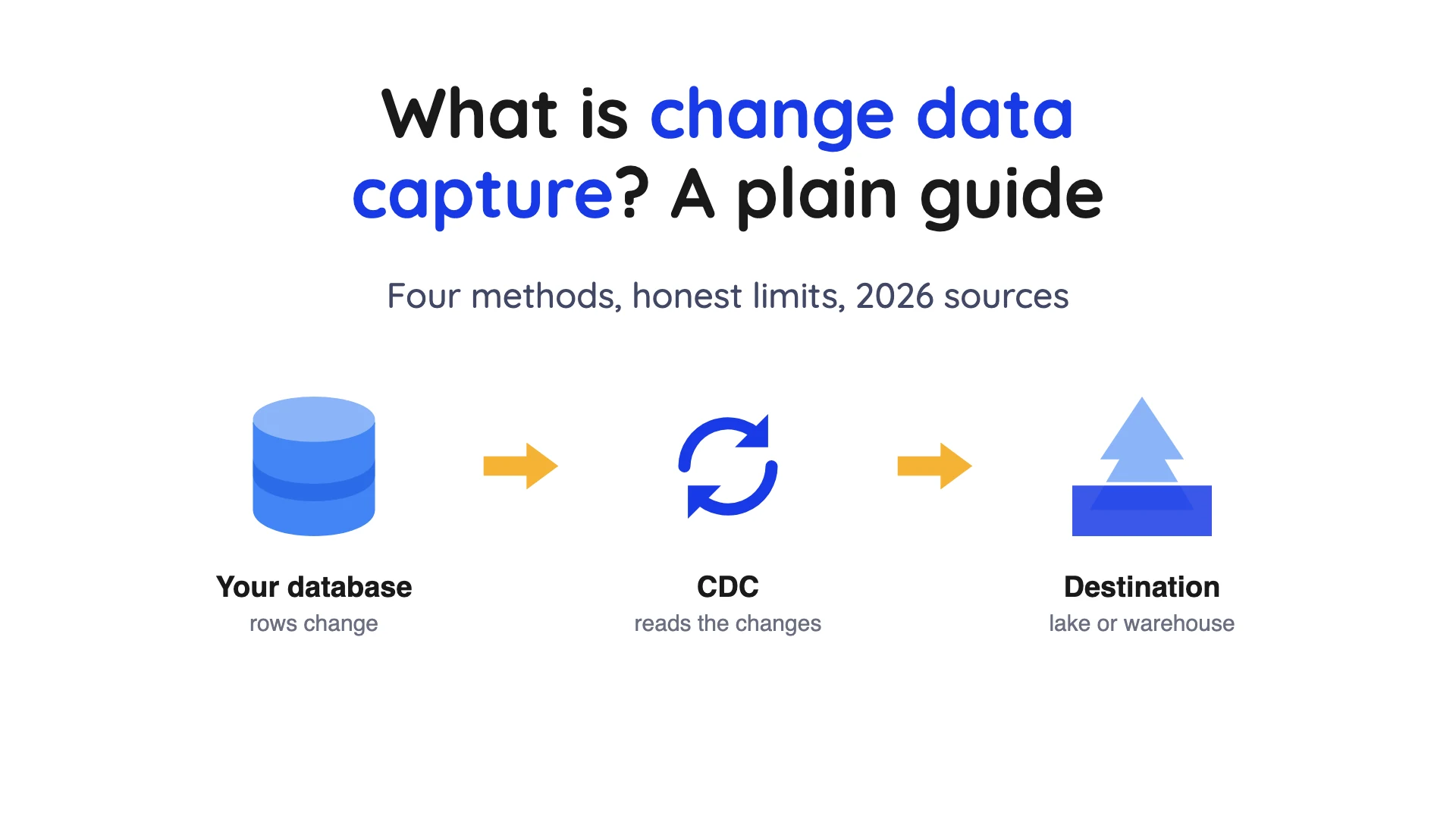
What is change data capture? Four CDC methods, how each database does it, what CDC misses, and which method fits your case. Sourced and dated.
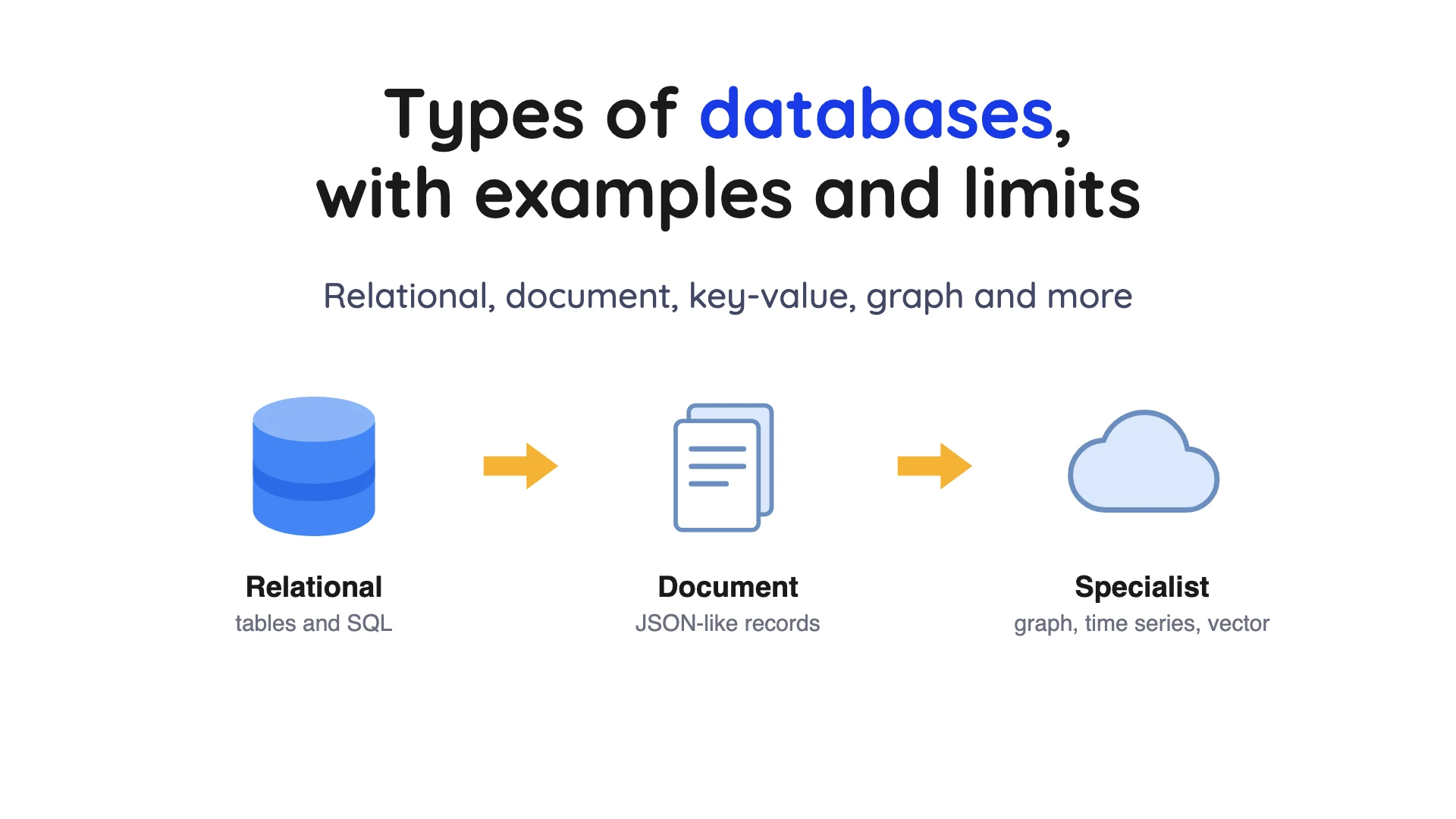
Types of databases explained with examples: relational, document, key-value, graph, time-series, vector and more, with one named limit for each type.
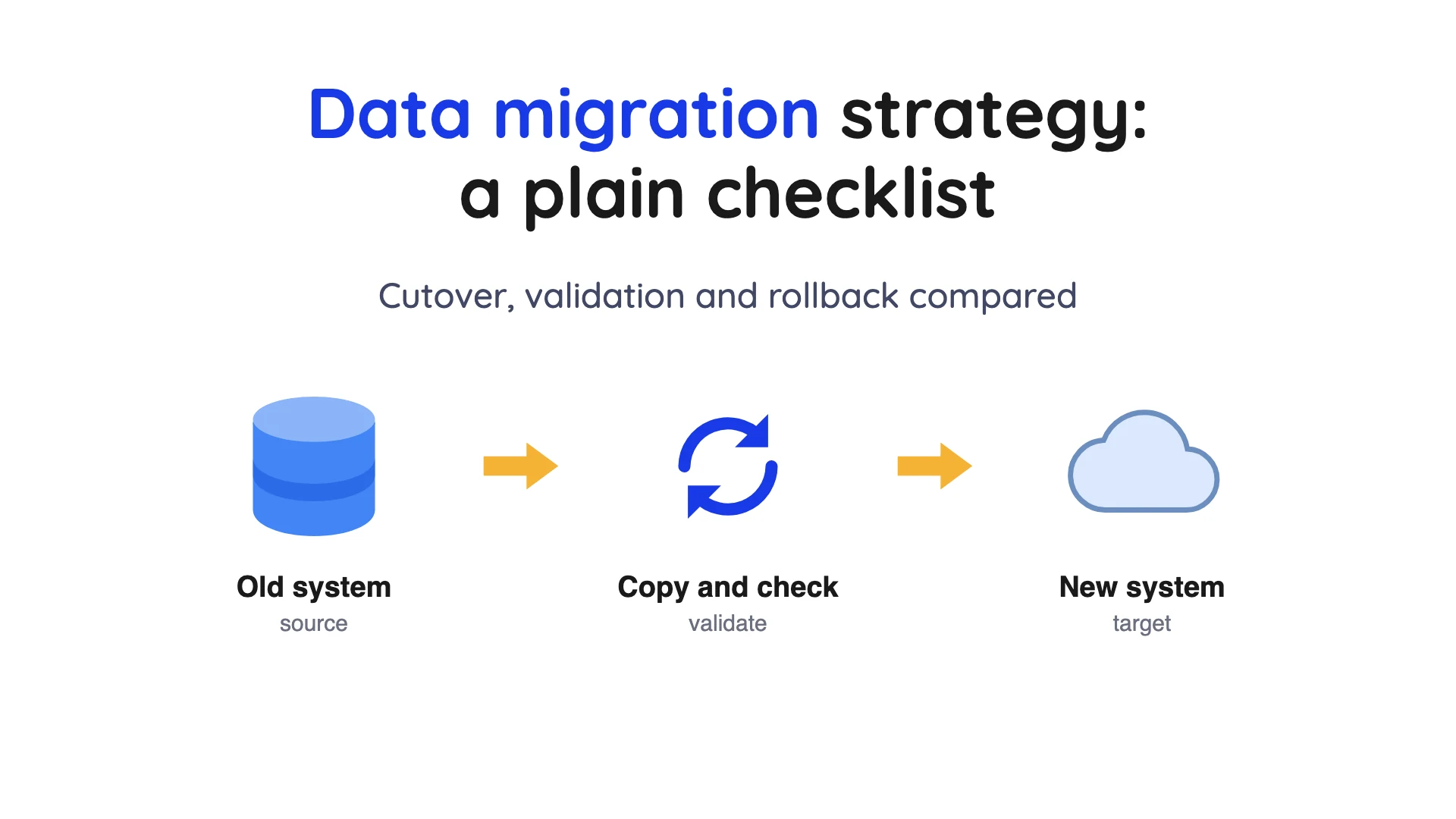
A data migration strategy has three choices: what to move, how to cut over, how to prove it worked. Options compared with limits and a checklist.
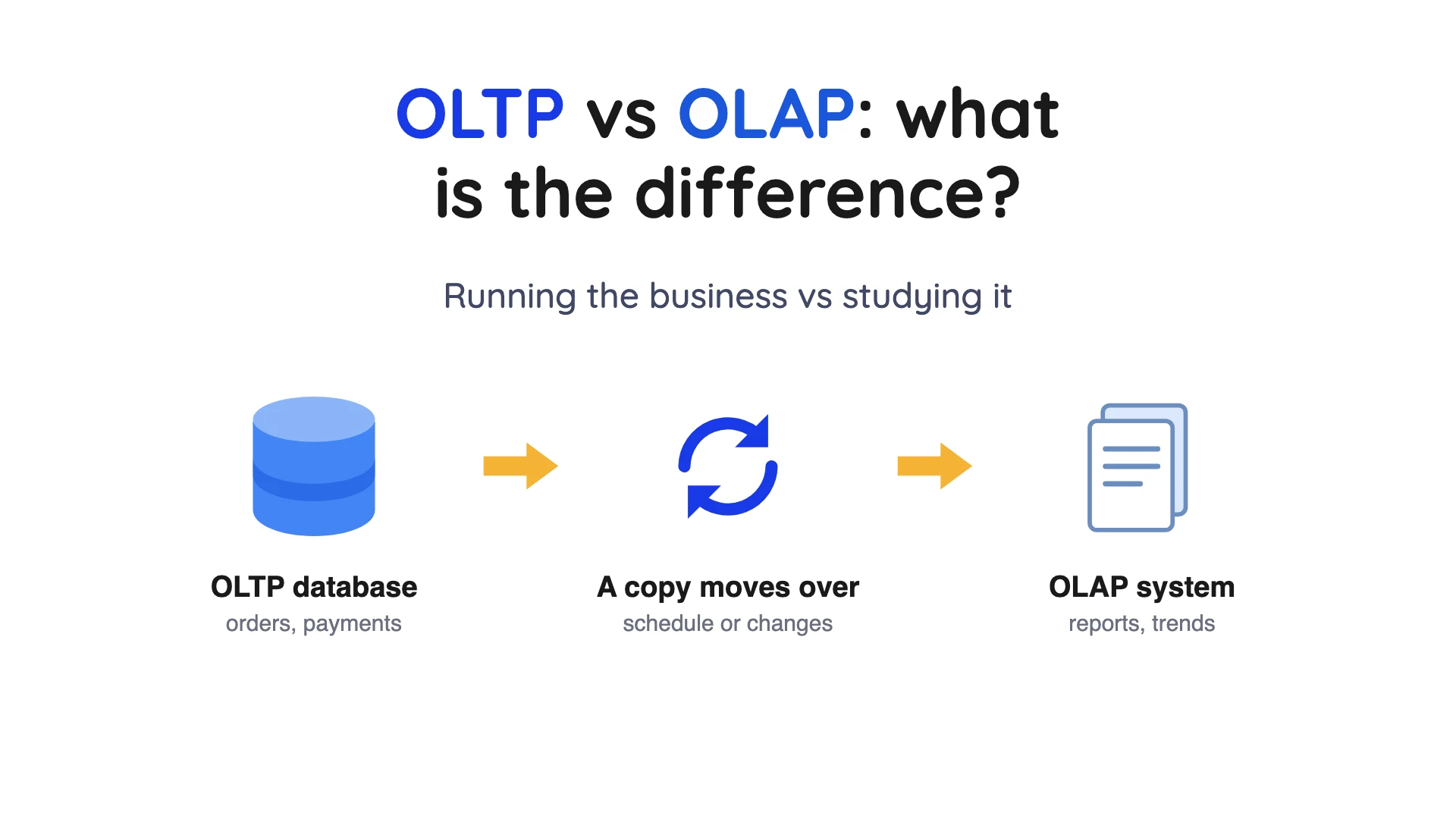
OLTP vs OLAP in plain language: what each does, a sourced comparison table, where each falls short, how HTAP fits, and why most firms use both.
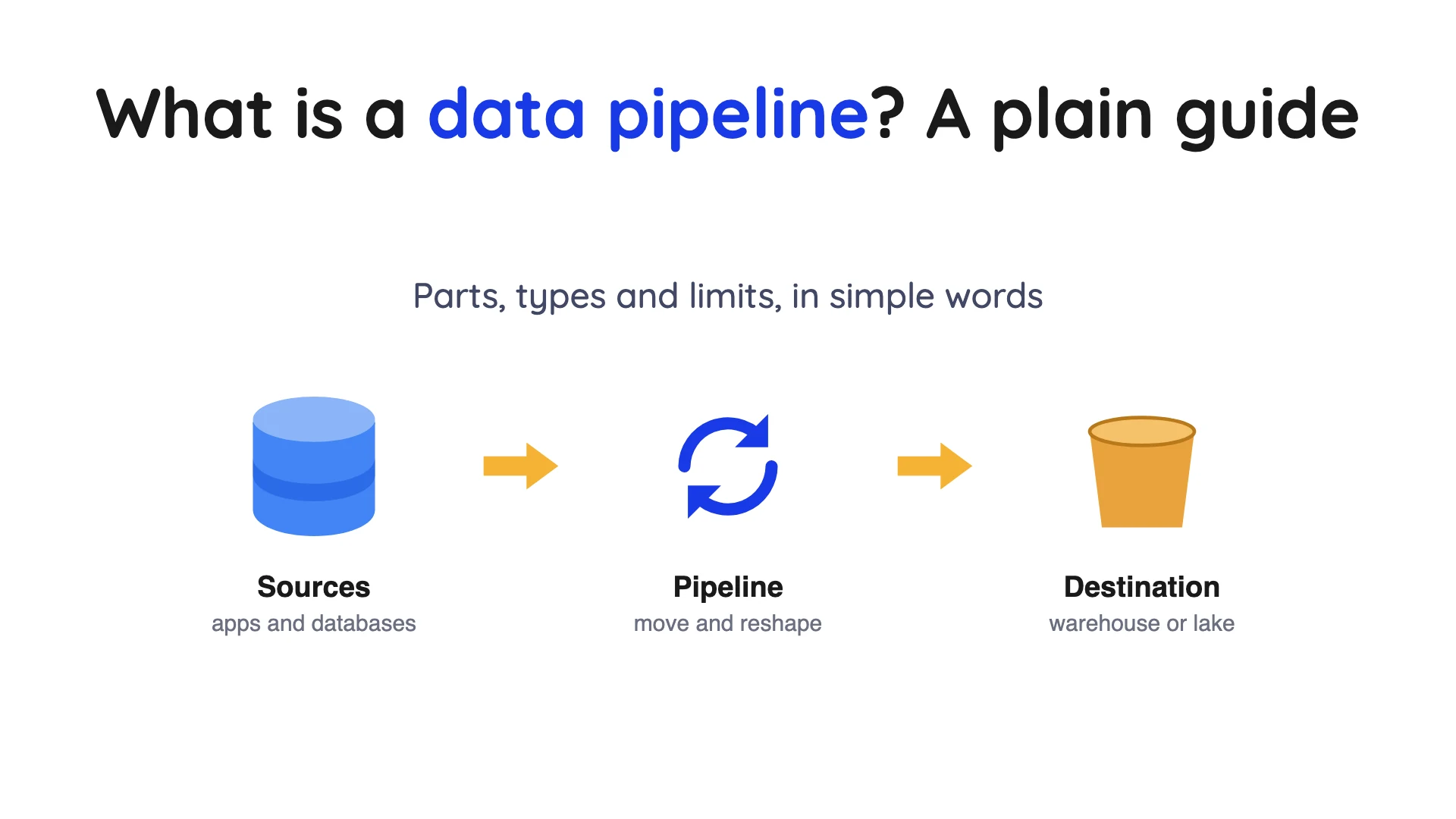
What is a data pipeline? Its parts, six types compared with their limits, a worked example, and which tools do which job. Dated October 2026.
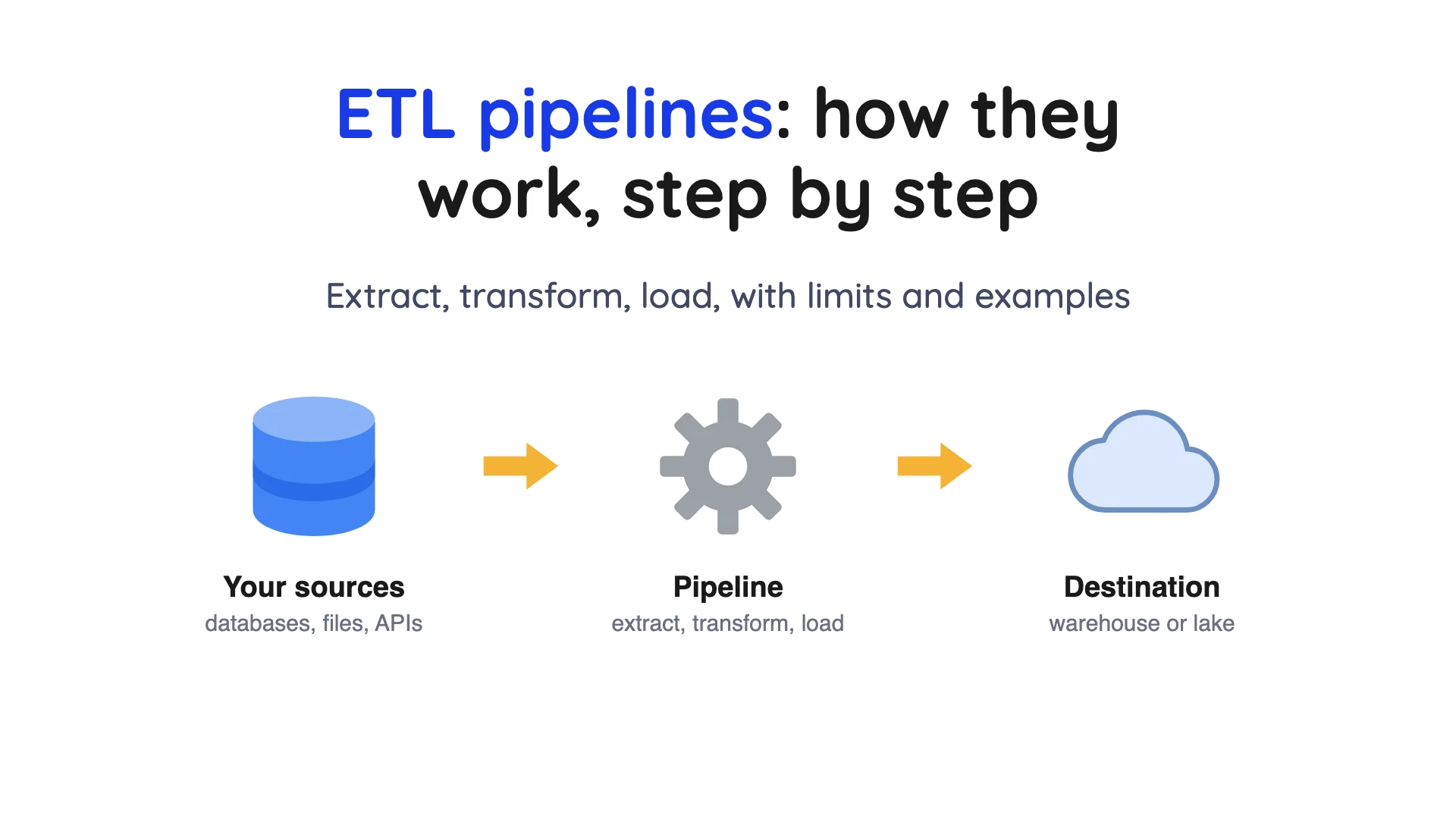
ETL pipelines explained in plain words: the three steps, a worked example, where they break, ETL vs ELT, and when to pick each. Sourced and dated.